A New Hub for Sports and Community in Southern Lawrence
The 1059 is a thoughtfully redesigned development that brings together sports, hospitality, open space, and ecological restoration. Shaped by public input and aligned with Plan 2040, the project reflects a new approach to growth in southern Lawrence.
A Year-Round Destination Built Around Experience
The 1059 is anchored by three distinct attractions designed to generate sustained, year-round activity.
Sporting Kaw Valley
Sporting Kaw Valley is a 501c3 nonprofit organization that serves more than 5,000 annual participants across youth soccer programs in the region. The South Lawrence Multisport Complex establishes a permanent home for this organization while expanding field and indoor capacity.
Each year, 12 to 15 tournaments are turned away due to limited availability. With expanded facilities, Lawrence can host events that currently leave the community. This strengthens local programming while supporting hotels, restaurants, and small businesses throughout the city.
The Barefoot Trail

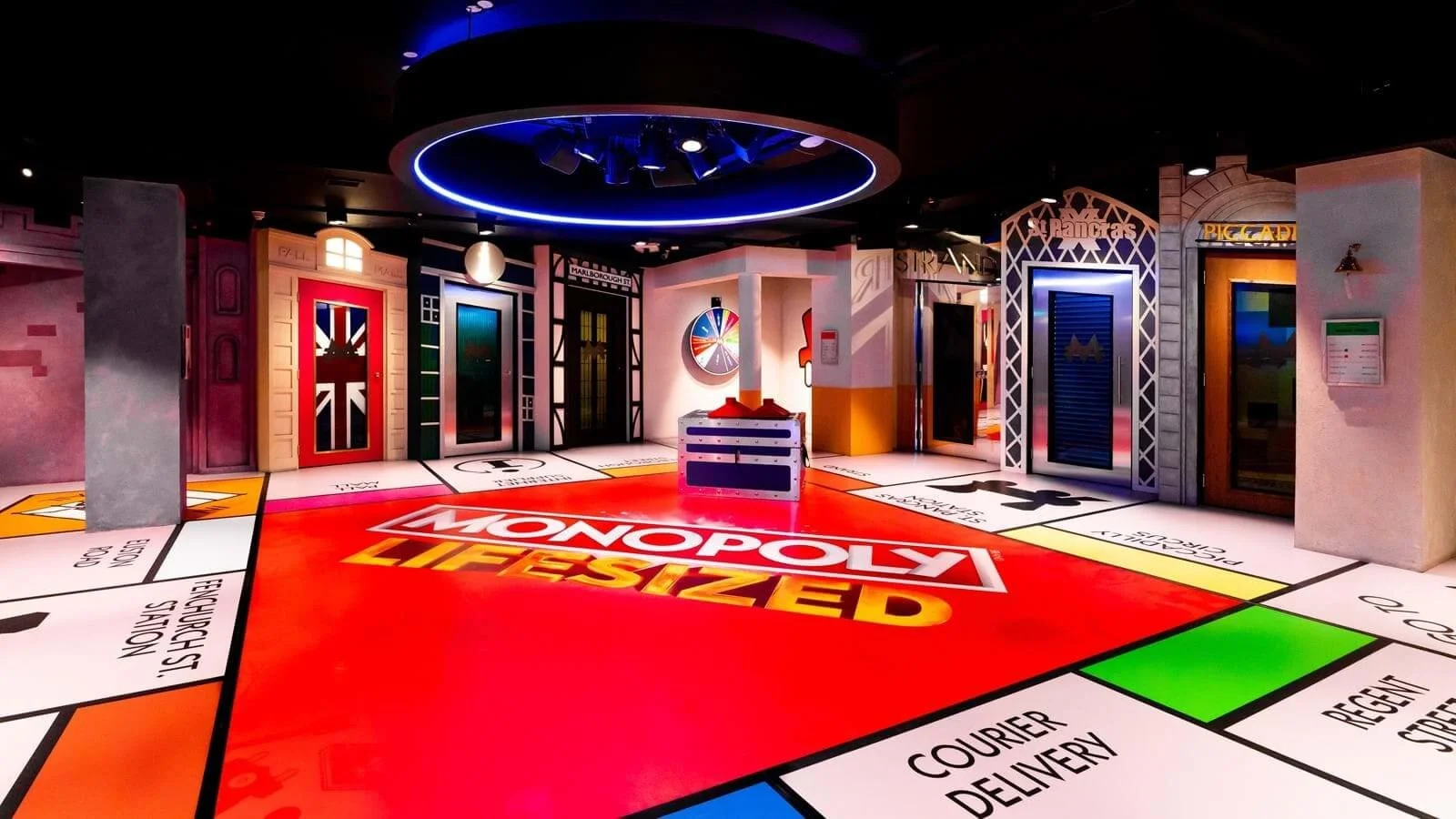
Monopoly Lifesized
Monopoly Lifesized brings an interactive, large-scale version of the iconic board game to the region. This experiential attraction expands Lawrence’s tourism base beyond traditional sports audiences and offers a unique family destination that operates year-round.
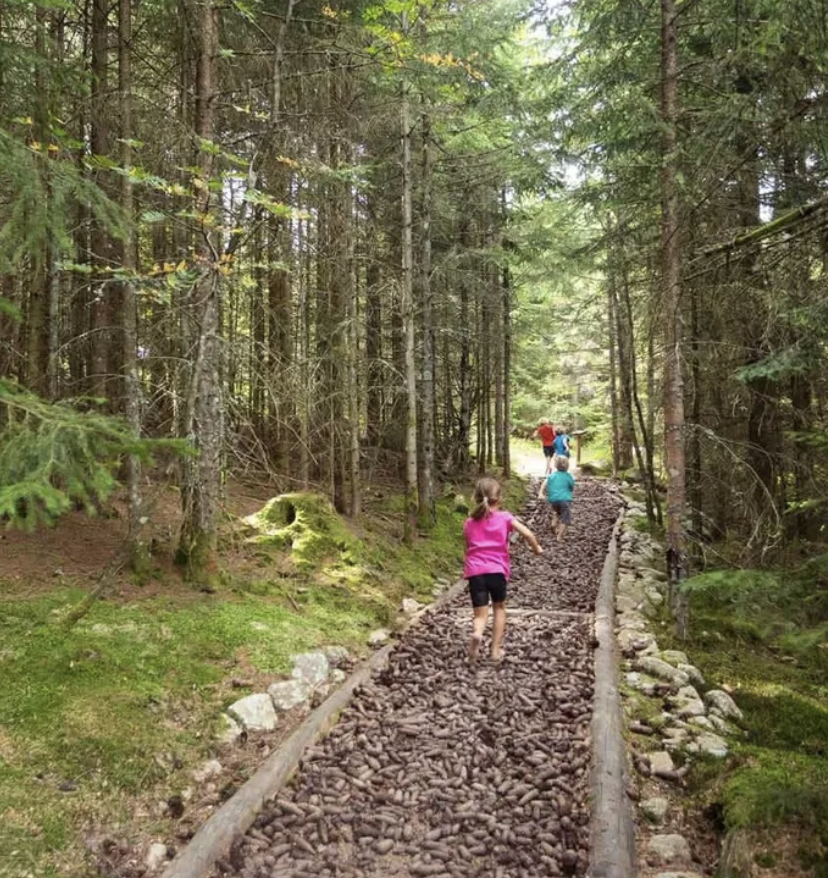
The Barefoot Trail is a 501c3 nonprofit organization that offers an outdoor sensory walking experience designed around natural materials, movement, and ecological engagement. The concept combines recreation, education, and environmental awareness in a way that complements the site’s broader ecological framework.
As a mission-driven attraction, The Barefoot Trail brings families, school groups, and visitors to Lawrence for an experience rooted in nature and wellness.

What Tournament Activity Could Mean for Lawrence
Early Conservative Estimates
Based on published youth sports tourism spending surveys:
Visiting families spend approximately $216 per day
Median stay is three days
Roughly $650 per visiting family per tournament weekend
What That Means for Lawrence
600 to 1,000 visiting families per event
$390,000 to $650,000 in direct local spending per tournament
Approximately 15 tournament weekends per year
Potential $5.9 to $9.8 million annually in direct visitor spending
Conservative Estimates With Room to Grow
These early projections are based solely on tournament activity associated with Sporting Kaw Valley.
The indoor facility is designed to accommodate multiple sports beyond soccer, expanding year-round programming. Economic
activity related to Monopoly Lifesized and The Barefoot Trail is not yet included in these estimates.
In addition to visitor spending, the project supports construction employment and permanent operational jobs across recreation, hospitality, and service sectors. Economic modeling is being refined with local and state partners to ensure accepted methodologies
are followed.
Shaped by Listening and Respect
The 1059 evolved through public dialogue.
Listening Led to a Better Plan
Community input at Commission meetings and a dedicated Listening Session influenced a significant redesign. Compared with earlier housing-focused concepts, the current plan emphasizes recreation, open space, and environmentally integrated amenities.
Community priorities expressed during public engagement included:
Protecting the wetlands
Maintaining transparency
Respecting cultural heritage
This website is intended to serve as an ongoing resource as the project moves through the public review process. Information will continue to be updated as plans are refined, and residents may sign up for the project newsletter to receive updates directly. The section below provides a closer look at the environmental changes.
Cultural Resource Stewardship
Archaeological review for the property followed requirements established by the Kansas State Historic Preservation Office under K.S.A. 75-2715 et seq.
A Phase III eligibility investigation identified scattered materials within previously disturbed soils and found no intact features, burials, or significant archaeological deposits. The State determined that no additional restrictions were required.
If previously unknown materials or human remains are encountered during construction, Kansas law requires work to stop immediately and authorities to be notified. The project team is committed to full compliance and respectful stewardship.
Protecting the Land and Environment
Responsible development and environmental stewardship are not competing ideas here.
They are integrated goals.
On-sight Wetland Impact Reduced
The revised plan decreases the wetland disturbance onsite from roughly 14 acres under earlier concepts to about 1 acre in the current design, significantly reducing displacement while maintaining the site’s overall functionality.

Recreation Replaces Dense Residential Layout
Earlier concepts emphasized higher-density housing. The current plan prioritizes sports facilities, hospitality, and open space uses aligned with Plan 2040 and community feedback.


Connected Habitat Design
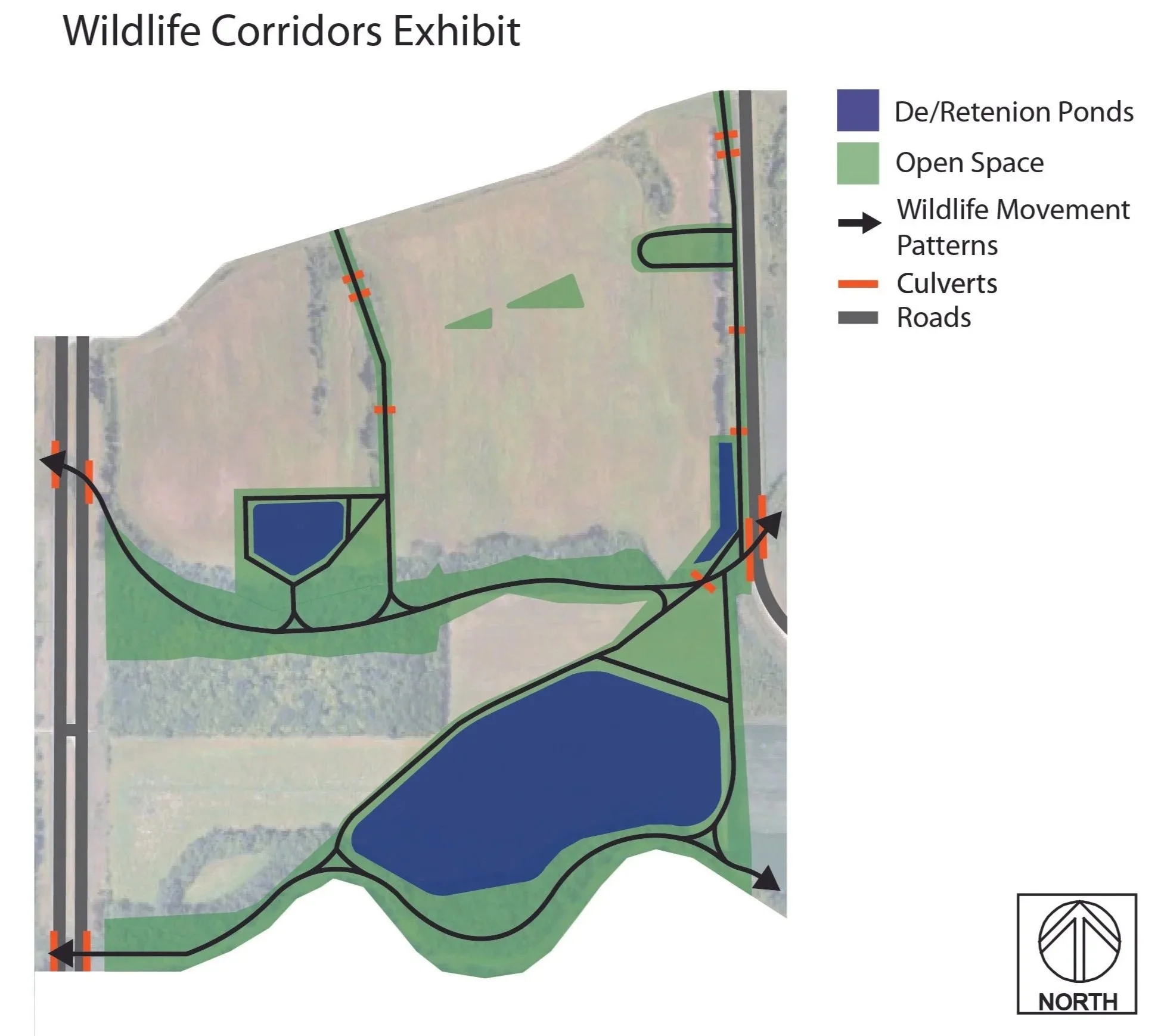
Native landscaping and linked habitat corridors are integrated into the layout to promote biodiversity and maintain ecological continuity throughout the property.
Floodplain Capacity Preserved
Buildings are positioned further away from the floodway and elevated above base-flood levels to comply with City and FEMA standards that prohibit increases in base-flood elevation.
Over 70 Acres of Open Space Preserved
More than 70 acres within the project boundary are maintained as natural or enhanced open space, integrated into the overall design rather than isolated at the margins.

On-Site Soil Reuse
Excavated material is reused within the project to stabilize grading, reduce imported fill, and help maintain the site’s natural topography.

Natural Stormwater Management Built In
A lake and landscaped bioswales are designed to manage runoff on-site by slowing water flow, filtering sediments, and gradually releasing stormwater downstream.
Lighting Designed to Reduce Sky Glow
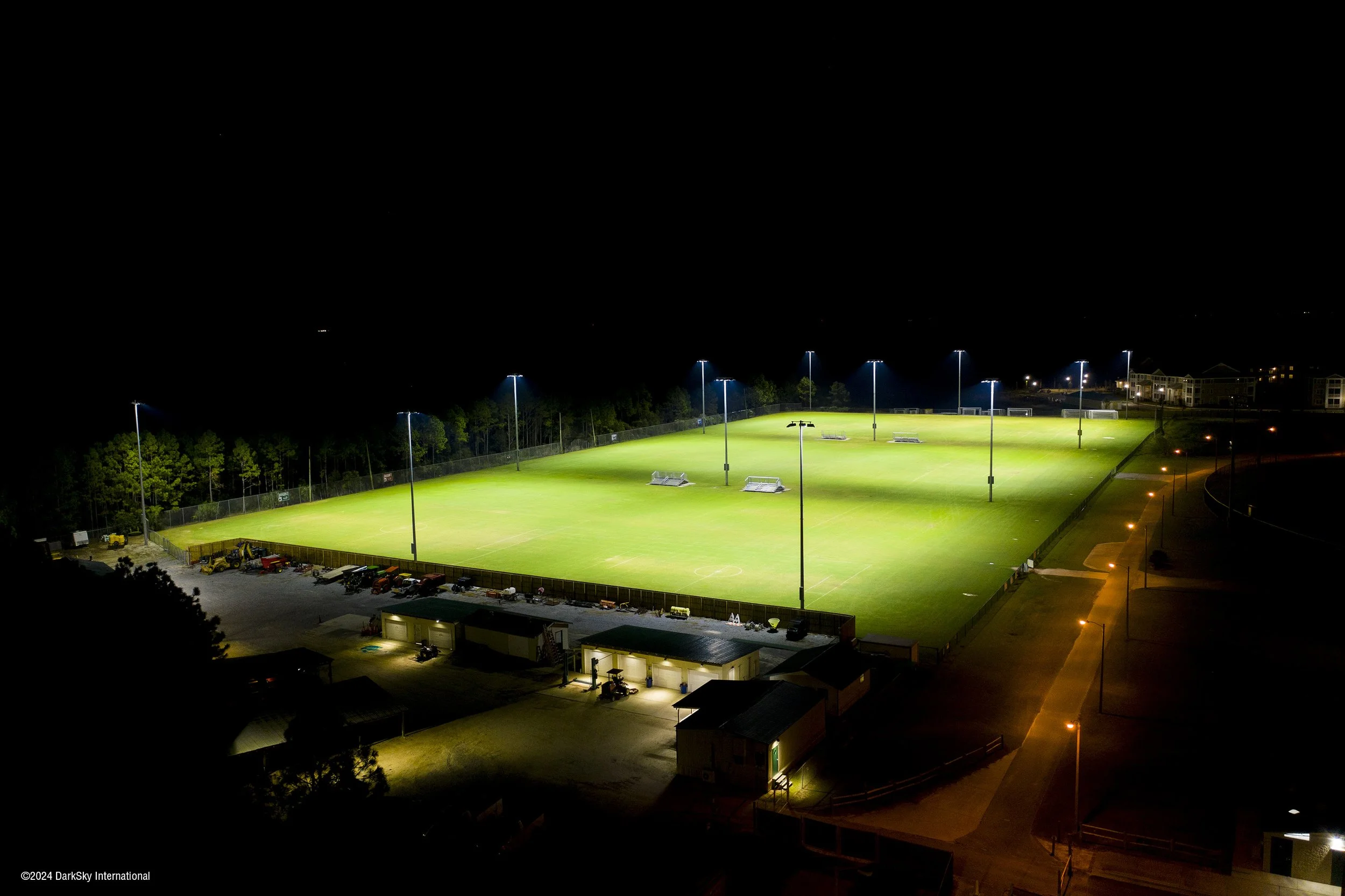
All sports and trail lighting is designed under DarkSky guidelines to limit spillover, protect wildlife, and reduce visual impact beyond the project boundary.