Building a Destination Corridor Along K-10
Connecting attractions, recreation, and commerce along the K-10 corridor through a shared investment in infrastructure.
The proposed K-10 STAR Bonds District is a single destination corridor that connects The 1059 and Beacon Landing through a coordinated investment in infrastructure and destination attractions.
Each location serves a unique role. The 1059 and Beacon Landing provide recreation, entertainment, retail, housing, and visitor destinations.
Although development is planned in phases, the goal is one K-10 destination corridor that expands tourism, recreation, and economic opportunity within Lawrence.
A Proven Kansas Approach to Funding Public Infrastructure
Understanding STAR Bonds
STAR Bonds are a Kansas economic development tool used to provide private, jumpstart financing for public infrastructure and destination attractions within a city-designated district that is paid back over a maximum term of twenty years through incremental sales tax revenue generated by retails sales within that district.
The goal is simple: create public infrastructure and attractions today using new economic activity generated tomorrow.
How STAR Bonds Work
Projects like The 1059 and Beacon Landing require significant infrastructure before a single visitor arrives to one of its destination attractions.
Roads, utilities, water and sewer, public improvements, and site preparation must be completed first.
STAR Bonds allow eligible infrastructure costs to be financed today, rather than over time, with the bonds repaid through new sales tax revenue generated by retail businesses within the district.
These privately-bootstrapped infrastructure improvements in Beacon Landing will benefit Lawrence after Beacon Landing is complete as they will allow future housing to grow westward.

Long-Term Community Benefits
Property Tax Revenue
The benefits of these projects extend beyond sales tax revenue.
Based on the economic analysis prepared for the proposed developments:
The 1059 is projected to generate approximately $2.3 million annually in property tax revenue.
Beacon Landing North is projected to generate approximately $4.3 million annually in property tax revenue.
Beacon Landing South is projected to generate approximately $5.9 million annually in property tax revenue.
Together, the projects are expected to generate more than $12 million annually in new property tax revenue once development is complete.
These revenues help support schools, public services, and local government operations for decades to come.
Permanent Employment
The projects are also expected to create long-term employment opportunities throughout the community.
Based on post-development estimates:
The 1059 supports approximately 114 permanent jobs
Beacon Landing North supports approximately 294 permanent jobs
Beacon Landing South supports approximately 245 permanent jobs
Combined, the developments are projected to support more than 650 ongoing jobs across retail, hospitality, recreation, operations, and related industries.
These jobs contribute to household income, local spending, and long-term economic activity throughout Lawrence and Douglas County.
Note: These projections represent early, conservative estimates based on current plans as of June 15, 2026. As additional destinations are added, tenants are secured, and economic studies are completed, we will update these figures to reflect the most current understanding of the project’s potential community impact.
STAR Bonds Success
For more than 30 years, STAR Bonds have been one of Kansas’ economic development tools for creating destination attractions, tourism assets, and major recreational and entertainment districts. The program has been reviewed, refined, and repeatedly extended by the Kansas Legislature as communities across the state have used STAR Bonds to support projects that generate visitor spending, private investment, and long-term economic activity.
STAR Bonds by the Numbers
1993: STAR Bonds established in Kansas
20+ destination attractions developed
$1.1B+ in bonds issued
$873M+ in repayment sales tax generated
Multiple projects paid off early
18 of 23 STAR Bonds projects have either paid off their bonds or remain on schedule for repayment
The Kansas STAR Bonds Program
STAR Bonds Case Studies
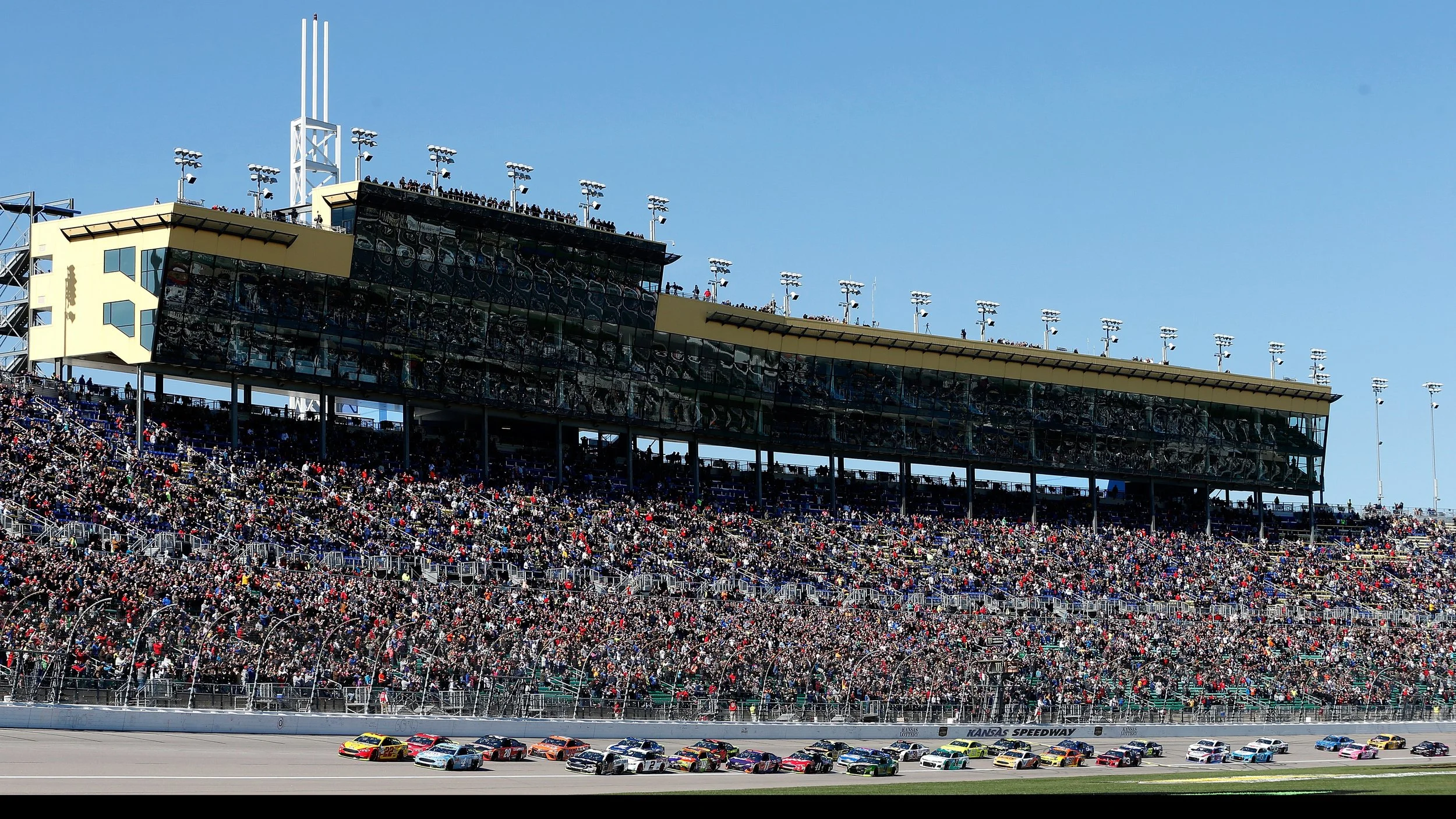
Kansas Speedway & Village West
Location
Kansas City, Kansas
STAR Bonds Issued
Approximately $726 million
Results
More than $700 million in annual retail sales
Approximately $22 million in annual property tax revenue
Bonds retired ahead of schedule
Created one of the Midwest’s largest retail and entertainment destinations
Today
The district includes major retail, dining, entertainment, hospitality, and sporting venues that attract visitors from throughout the region.
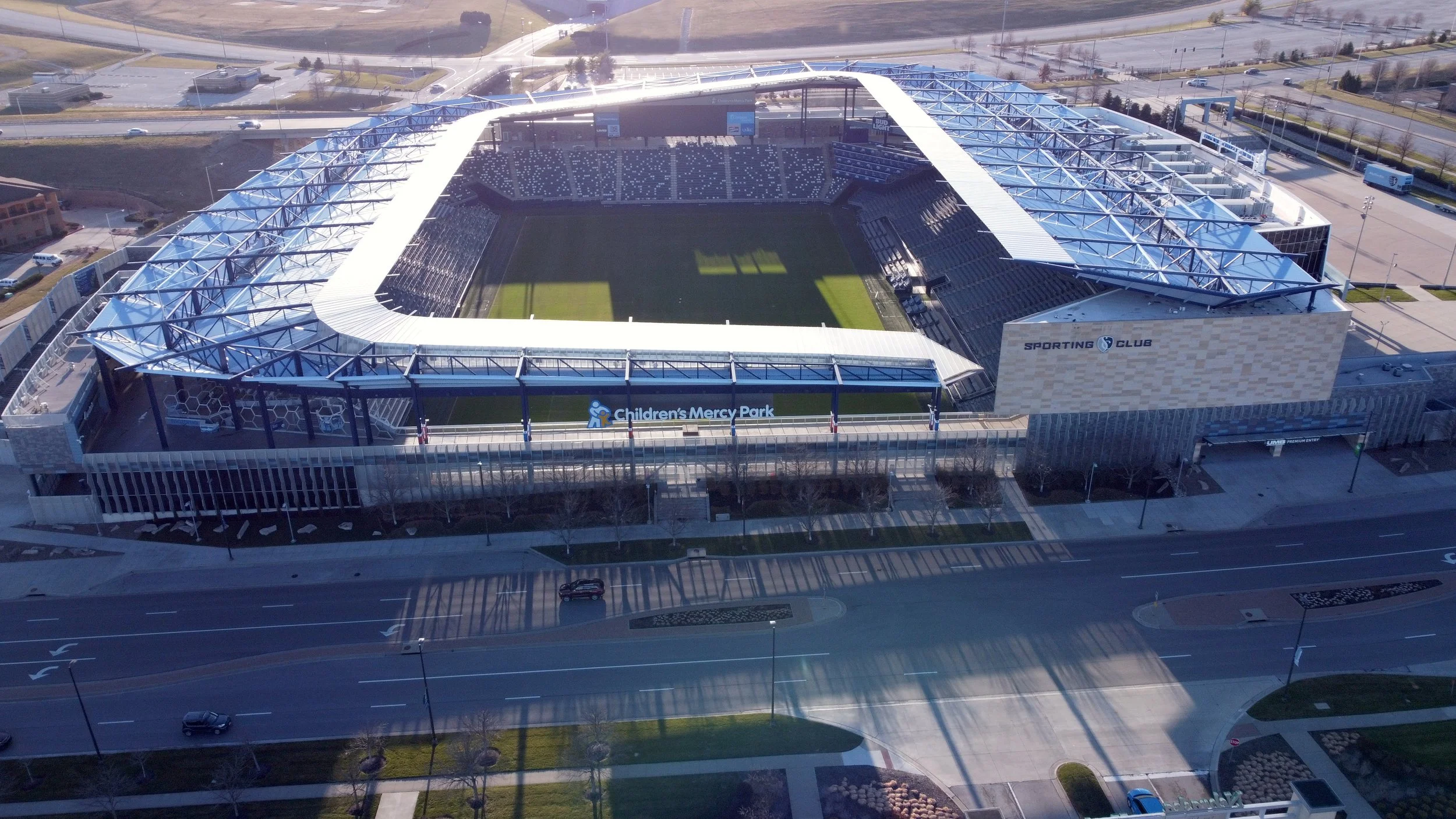
Children’s Mercy Park
Location
Kansas City, Kansas
STAR Bonds Issued
Approximately $150 million
Results
Bonds retired years ahead of schedule
Helped establish a nationally recognized soccer and entertainment destination
Added year-round visitor activity to the Village West area
Today
The stadium continues to host professional sports, tournaments, concerts, and community events.

Equity Bank Park
Location
Wichita, Kansas
STAR Bonds Issued
Approximately $42 million
Results
Brought affiliated professional baseball back to Wichita
Supported additional downtown investment
Created a new destination along the Arkansas River corridor
Today
The ballpark hosts baseball games, community events, concerts, and regional gatherings.
Frequently Asked Questions
Does Lawrence pay any money up front to fund STAR Bonds projects?
No.
The City of Lawrence does not pledge property taxes or general fund revenues to repay STAR Bonds.
Private investors purchase the STAR Bonds and are at risk if retail sales tax generated within the district does not pay them back.
Successful repayment of STAR Bonds purchased by private investors is tied to success of the retailers within the STAR Bonds district.
Does the State of Kansas contribute more sales tax revenue to pay back STAR bonds than Lawrence?
Yes, by a factor of more than four (4) to one (1).
Do customers pay additional taxes?
No.
Customers shopping, dining, or visiting businesses within a STAR Bonds district do not pay any additional sales tax because of the STAR Bonds program. The sales tax rate remains the same as it would otherwise be.
STAR Bonds do not create a new tax. Instead, they use a portion of the sales tax revenue generated within the district to help repay eligible infrastructure and attraction costs that were financed to support the project.
For visitors and customers, the transaction looks exactly the same. The difference is how a portion of the sales tax revenue is allocated after it is collected.
Do STAR Bonds get repaid by taxes that would otherwise fund Lawrence schools?
No.
STAR Bonds are repaid only by sales, use, and transient guest taxes. New facilities built in the K-10 STAR Bonds district will generate additional property taxes that are used to fund schools.
What costs can STAR Bonds proceeds be used for?
STAR Bonds proceeds are used to pay for approved infrastructure and destination attraction costs within the district. Funds are restricted by Kansas law and may only be used for eligible project expenses approved through state and local review processes.
Examples include:
Roads and transportation improvements
Water and sewer infrastructure
Stormwater systems
Utilities
Public access improvements
Tourism and destination attractions
Bonds proceeds are dedicated to constructing public improvements and approved destination assets that support long-term economic growth.
What happens when the bonds are paid off?
STAR Bonds are not permanent.
The sales tax revenue generated within a STAR Bonds district is used to repay the bonds only for the approved financing period. Once the bonds have been fully repaid, the sales tax revenue generated within the district returns to its normal distribution among state and local governments.
At that point, the community continues to benefit from the infrastructure, attractions, jobs, property tax revenue, and private investment created by the project, while the sales tax revenue remains available for its traditional public purposes.
In other words, the infrastructure and economic activity remain, but the bonds repayment obligation ends.
Still Have Questions?
If you have a question about STAR Bonds that is not addressed here, we would be happy to hear from you.
Please submit your question through our contact form, and a member of our team will review it. We will continue updating this page as new questions arise and additional information becomes available.